
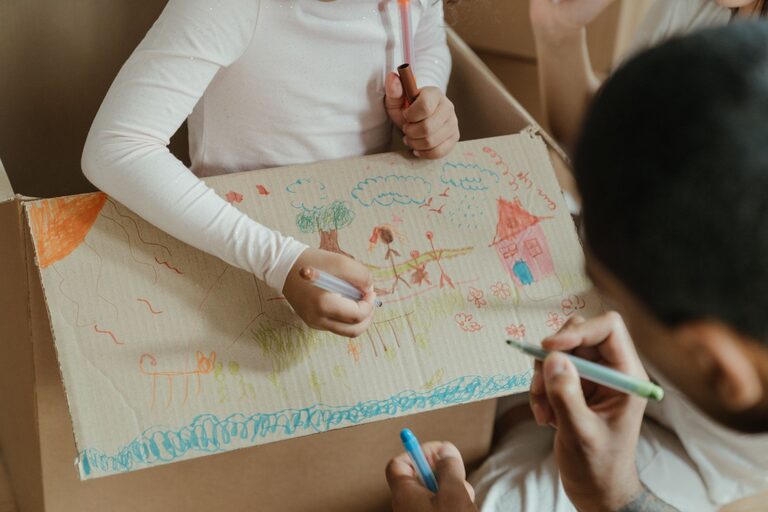
Every parent knows the joy of seeing their child’s colorful drawings, paintings, and craft projects. But as those masterpieces start to pile up on the fridge, counters, and drawers, organizing kids’ art can quickly become a challenge. With a little planning and some practical solutions, you can keep your child’s artwork organized, cherished, and clutter-free.
In this post, we’ll explore easy, effective tips for managing your kids’ art collection—whether you want to display it proudly or store it safely for years to come.
Why Organizing Kids’ Art Matters
Children’s artwork is more than just paper and paint; it represents their creativity, development, and memories. Keeping the art organized helps:
– Celebrate your child’s creativity and boost their confidence.
– Reduce household clutter and maintain a neat environment.
– Make it easier to find and revisit special pieces.
– Encourage your child to take pride in their creations.
With the right mindset and tools, organizing kids’ art can be enjoyable for the whole family.
Getting Started: Sort and Select
Before creating storage or display systems, take time to sort through the artwork. Here’s how:
Set Aside Time Regularly
Set a schedule—monthly or quarterly—to review the collection. This keeps the art manageable and avoids overwhelming piles.
Sort Into Categories
Divide the artwork into groups such as:
– Favorites or milestone pieces (first drawing, holiday crafts)
– Everyday drawings and practice sheets
– 3D crafts and bulky projects
– Digital or photo art if applicable
Involve Your Child
Ask your child which creations they want to keep or display. This teaches decision-making and respect for their work.
Displaying Kids’ Art Creatively
Showcasing artwork can make your child feel proud and brighten your home. Here are smart display ideas:
Rotating Gallery Wall
Choose a dedicated wall or hallway to hang frames or clipboards. Rotate artwork regularly to keep it fresh and exciting.
String and Clips Display
Hang a string or wire along a wall and use clothespins or clips to attach artwork. It’s easy to switch pieces and adds a playful touch.
Digital Photo Frames
Take photos of artwork and upload them to a digital photo frame. This reduces physical clutter while still showcasing lots of pieces.
Bulletin Board or Magnetic Board
Create a bulletin or magnetic board to pin or magnetically mount new art. Let your child curate their own mini-exhibit.
Storing Art Safely
Not all artwork will be on display, but you can store it carefully to preserve memories.
Art Portfolios
Invest in an art portfolio or large binder with plastic sleeves. Label by year or age for easy reference.
Storage Boxes
Use labeled, flat storage boxes sized to fit paper artwork. Acid-free boxes help protect against yellowing.
Digital Archives
Scan or photograph artwork and save it on your computer or cloud storage. Apps specifically for kids’ art organization are also available.
Scrapbooks or Photo Books
Create scrapbooks or have photo books printed featuring the best pieces. This makes a beautiful keepsake you can revisit together.
Handling Bulky or 3D Projects
Crafts like sculptures, collages, or clay models don’t fit neatly into binders or boxes, so try these tips:
– Display on shelves or in clear bins temporarily.
– Photograph 3D pieces before recycling or donating.
– Recycle pieces creatively by incorporating them into new projects.
Encouraging Ongoing Organization Habits
Make art organization a fun part of your routine:
– Schedule regular “art review” days with your child.
– Allow your child to personalize their art storage or display areas.
– Celebrate milestones like finishing a portfolio or filling a display wall.
Final Thoughts
Organizing kids’ art doesn’t have to be a chore. By sorting thoughtfully, displaying creatively, and storing carefully, you can treasure your child’s artistic journey while keeping your home organized. Plus, involving your child in the process promotes responsibility and pride in their creativity.
Try these tips today and enjoy a clutter-free home filled with colorful memories!